Water Booster Pump Installation
We install residential booster pumps sized to the water demand and electrical setup; typical jobs run $800–$2,500, depending on pump and electrical work.
A hot tap that trickles while the cold side runs normally can point to a restriction in the hot-water path. North Dakota Plumbing Pros handles Low Hot Water Pressure Repair across North Dakota, including checks for sediment at the fixture and flow changes near the water heater.
Browse all service options available across North Dakota and choose the right fit for your project.
We install residential booster pumps sized to the water demand and electrical setup; typical jobs run $800–$2,500, depending on pump and electrical work.
Pressure switch repair checks and replaces pump controls for homes and well systems; typical jobs run $150–$450, depending on switch type and access.
We repair residential booster pumps, including worn controls and pump components; repair scope and access shape the cost. Blizzards can delay visits, so clear snow near equipment.
We repair residential pressure tanks, checking tank capacity and connections; typical repairs or replacement run $300–$1,200, depending on tank size and access.
Well pump repair covers motor, wiring, and delivery faults for homeowners; typical repairs run $350–$1,800, depending on pump type, depth, and access.
We repair residential pressure regulators, checking valve size and access; replacement typically runs $250–$650. Downtown Grand Forks homes should consider Red River flood exposure.
We trace sudden whole-house pressure loss for homeowners, including accessible pipe and system checks; typical repairs run $150–$900, depending on pipe location and damage.
Low Shower Pressure Repair for homeowners with weak or fading shower flow; diagnosis and fixture access shape the job cost.
We repair buried water service lines for homeowners, including accessible pipe sections and connections. Typical repairs may run $500–$3,000, depending on excavation access and pipe damage.
We clear and replace debris-clogged faucet aerators for homeowners; access, buildup, and replacement parts shape the typical $75–$150 job. Summer storms near Theodore Roosevelt National Park can make indoor faucet acc...
Burst Pipe Repair finds and replaces damaged supply pipe in homes and rentals; many straightforward repairs run about $200–$1,000, depending on access and damage.
We test residential and well-system pressure with a calibrated gauge; diagnostic time and access shape the typical charge.
Low well pressure diagnosis and repair for homeowners, including checks of the well system and pressure equipment; typical jobs run $250–$900 depending on access and parts.
We clear household drain and water-pipe blockages, including debris in accessible lines; typical jobs run $150–$600, depending on blockage location and access.
Low Sink Pressure Repair restores weak flow at residential sink fixtures; repair scope and access affect the typical $125–$350 cost.
Water Leak Repair for homeowners and property managers covers accessible pipe leaks and damaged sections; typical repairs run $150–$900, depending on pipe location and damage.
We repair residential filter housings and clogged cartridges; access and cartridge type shape the job. Typical repairs run about $150–$500.
We thaw and repair frozen household pipes, including accessible copper or plastic sections; typical jobs run $150–$1,000+, depending on access and pipe damage.
We repair residential water softeners with restricted-flow or valve issues; access to the unit and replacement-part needs shape the job estimate.
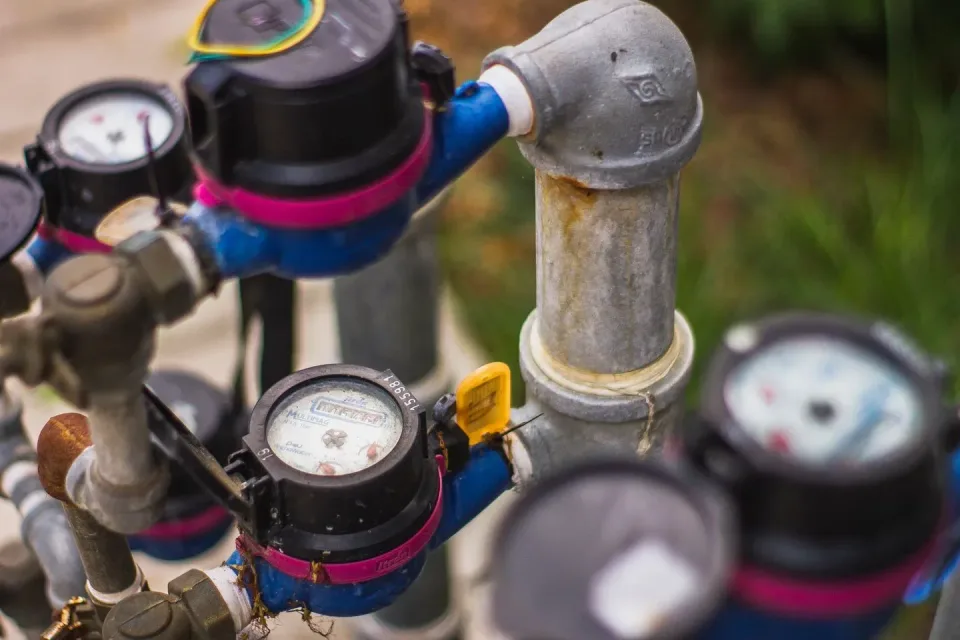
Hot water that slows to a thin stream needs a different check from a cold tap that behaves normally. We compare flow at the fixture and inspect the accessible hot-water path before recommending work.
A calibrated pressure gauge helps separate a supply reading from a restriction that appears only while water is moving. Rural properties may rely on wells and pressure tanks, so household hot-water demand can expose a system issue that is less noticeable at other times.
Dry indoor winter air can also lead households to use more water, making an existing flow problem more apparent. Near Pembina State Museum, seasonal travel and vacant-home planning can make early attention useful; summer thunderstorms can bring intense rainfall, so keep indoor access clear if water issues coincide with weather-related property concerns.
We explain the findings and confirm the work scope before starting. For a review, call (877) 773-0781.
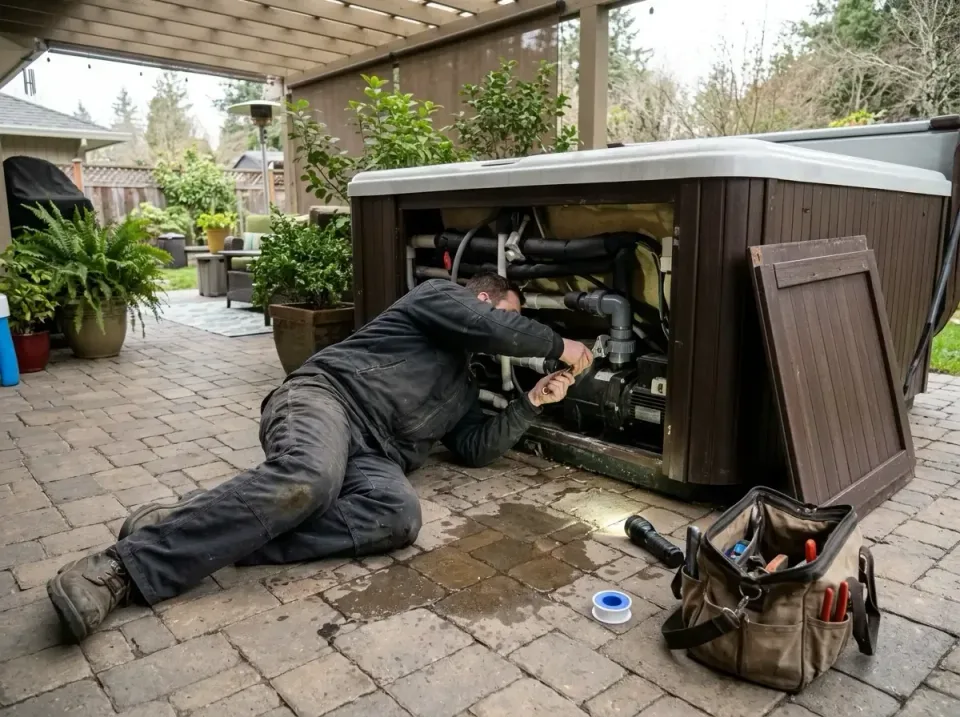
We begin by confirming which fixtures have reduced hot-water flow and whether cold flow at those same taps remains normal. That distinction helps narrow the inspection without guessing.
Next, we check the fixture outlet and accessible hot-side connections, then use a calibrated gauge where pressure readings will clarify the result. Static readings are taken with fixtures closed; a flowing-water reading shows how pressure behaves under demand.
Pressure readings can vary with demand and elevation, so we record the conditions rather than treating one number as the whole diagnosis. We explain what we found and agree on the repair scope before work begins.
Blizzards and drifting snow can delay service calls, so clear a safe path to the home’s plumbing access when weather allows. We can discuss timing and next steps by phone or through our contact page.
A hot tap that slows after a do-it-yourself fixture cleaning can still have a restriction farther along the accessible hot-water path. The next step is diagnosis, not replacing parts at random.
We compare affected fixtures, inspect accessible connections, and use pressure readings only when they help identify the cause. A continental climate with cold winters and warm summers brings seasonal temperature swings that can affect plumbing materials, so we look at the actual installation and its condition instead of assuming every weak hot tap has the same cause.
Dakota Zoo can orient customers visiting Bismarck, while Downtown Minot is a familiar reference for arranging service across the state; neither changes the checks required at the home. Around the Enchanted Highway, rural travel and property access may also affect how work is planned.
Our North Dakota-licensed plumbing contractor explains the findings in plain language and confirms scope before work. That avoids changing parts without a clear reason. Share which taps are affected when you call.
If one hot tap slows while others work normally, the price may differ from a restriction affecting several fixtures. We confirm the cause and scope before quoting; estimates vary by parts, access, and site conditions.
A pressure test is typically $75–$200, depending on diagnostic time and access. A faucet-level repair may require less investigation than tracing an issue through concealed connections, where access and the confirmed repair scope affect the final quote.
If inspection shows the hot-water symptom is connected to a larger system issue, we explain that finding rather than folding unrelated work into the estimate. Nearby Interstate 94 can be a useful reference when arranging a visit, while Minot International Airport is a regional access point; travel and site access still depend on the actual service location.
At the National Buffalo Museum, visitors may encounter varying seasonal travel conditions, so plan access to the property accordingly.
For a job-specific quote, contact North Dakota Plumbing Pros at (877) 773-0781. We will confirm the scope before work begins.
Before you hire
North Dakota service routes can involve long drives, especially for rural properties. A clear discussion helps set practical expectations for availability and access without assuming a particular arrival time.
Before work begins, ask what inspection and repair tasks the proposed scope covers and what would require separate approval. The technicians explain their findings and confirm the repair plan with you first, so you can understand what is included before authorizing the work.
Ask whether the technician needs access to particular fixtures, plumbing equipment, or the area around a well system. Clear access information can help the visit proceed smoothly. North Dakota Plumbing Pros protects finished floors during equipment access, and the team can explain any preparation needed.
Ask for the proposed work scope and applicable terms in writing, including what happens if inspection findings change the plan. Review those details before authorizing repairs, and raise questions about payment terms, cancellations, or additional work so expectations are clear on both sides.
If hot water is running slowly, call North Dakota Plumbing Pros at (877) 773-0781 to review the Low Hot Water Pressure Repair scope; heavy snowfall can obstruct outdoor plumbing access, so mention any access limits when arranging service.
A single slow hot tap may have a restriction at its outlet or an accessible hot-side connection. Long winter freezes can freeze exposed water pipes, so note whether the change followed cold weather and tell the plumber where the affected fixture is.
Dry indoor winter air can increase household water use, which may make an existing flow restriction more noticeable during busy periods. Compare hot and cold flow at the same faucet and note whether other hot taps behave similarly.
Tell us which fixtures have weak hot flow, whether cold flow is normal, and when the symptom began; these details help focus the inspection. In rural properties that rely on wells and pressure tanks, mention that system setup as part of the service discussion.
North Dakota Plumbing Code requirements also depend on the work being performed; we can explain the proposed scope before work starts.
Compare hot and cold flow at several fixtures and note which taps show the same change; do not take apart valves if you are unsure how to reassemble them. A calibrated pressure gauge can help assess system readings, but a single reading may not explain a fixture-specific restriction.
Select a city to find local low water pressure repair providers we cover in North Dakota.