Pressure Tank Repair in Stanley, ND
We repair residential pressure tanks, checking tank capacity and connections; typical repairs or replacement run $300–$1,200, depending on tank size and access.
At Stanley Memorial Park, the White Earth River is a familiar local landmark; inside nearby homes, weak flow can make ordinary taps frustrating. We trace low pressure to the system before recommending a repair.
Many Stanley properties use private wells and pressure tanks. If a pump cycles repeatedly or water slows at several fixtures, our team checks system pressure and the equipment that stores and delivers water. Stanley, ND’s low average humidity can also mean more household water use, so a pressure problem may become especially noticeable during busy routines.
Our crew serves Stanley’s ranch homes, Craftsman bungalows, and two-story houses, where upstairs fixtures can behave differently from taps near the supply. We test first, explain the likely cause in plain language, and confirm the repair scope before work begins.
Call Stanley, ND Plumbing Pros at (877) 773-0781 to arrange a Stanley visit. During blizzards or drifting snow, outdoor access and travel can affect scheduling; we’ll discuss practical timing when you call.
We repair residential pressure tanks, checking tank capacity and connections; typical repairs or replacement run $300–$1,200, depending on tank size and access.
We trace sudden whole-house pressure loss for homeowners, including accessible pipe and system checks; typical repairs run $150–$900, depending on pipe location and damage.
Burst Pipe Repair finds and replaces damaged supply pipe in homes and rentals; many straightforward repairs run about $200–$1,000, depending on access and damage.
We test residential and well-system pressure with a calibrated gauge; diagnostic time and access shape the typical charge.
Low well pressure diagnosis and repair for homeowners, including checks of the well system and pressure equipment; typical jobs run $250–$900 depending on access and parts.
Water Leak Repair for homeowners and property managers covers accessible pipe leaks and damaged sections; typical repairs run $150–$900, depending on pipe location and damage.
We repair residential water softeners with restricted-flow or valve issues; access to the unit and replacement-part needs shape the job estimate.
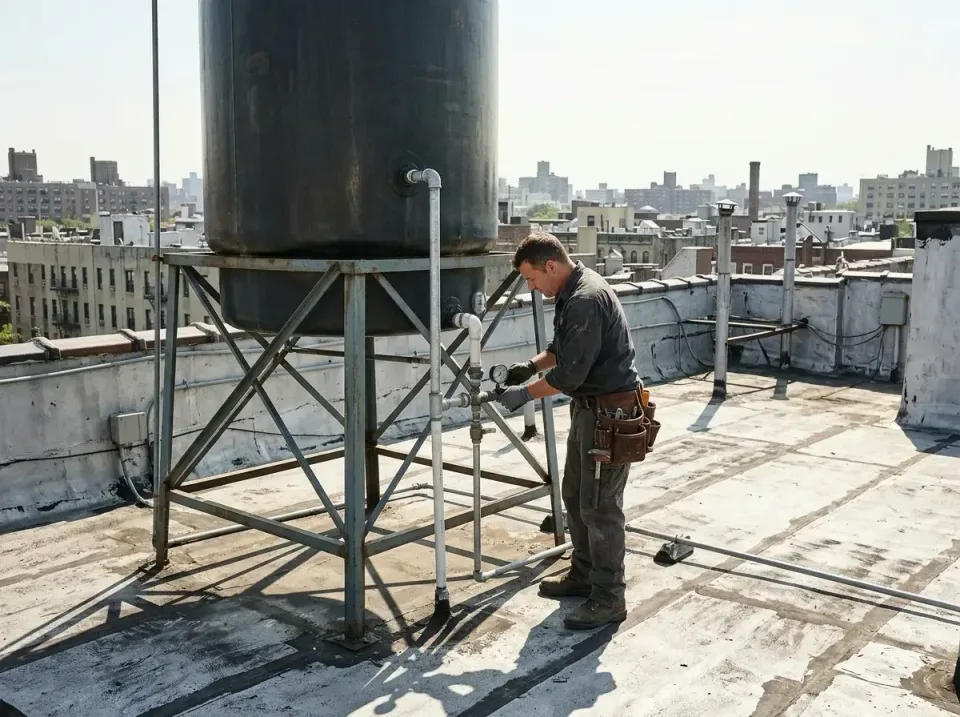
Stanley’s cold snowy winters and warm summers put different demands on household plumbing. At Stanley City Hall, the seasonal shift is part of daily life; at home, dry indoor winter air can lead families to use more water, making weak flow harder to ignore.
Long freezes can affect exposed pipes, so noticing where a line runs helps us inspect the right areas. Spring freeze-thaw cycles can stress buried piping, and vacant properties should be winterized before an extended cold-weather absence.
North Dakota Plumbing Pros has served Stanley for more than 11 years. Our North Dakota-licensed plumbing contractor team schedules local visits, tests the system, explains findings, and confirms the scope before starting. You can expect a clear repair recommendation not a guess. Call (877) 773-0781 to discuss a Stanley appointment.
When pressure falls at several taps or a shower weakens as another fixture runs, we start by testing the system rather than replacing parts on guesswork. Stanley’s two-story homes can show a bigger difference between lower and upstairs fixtures; compare taps on both floors to see whether the problem is widespread.
Seasonal temperature swings can make pipes expand and contract, while subzero cold increases the chance of a frozen service line. We check accessible piping and system equipment, then explain what the readings point to.
Heavy snowfall can obstruct outdoor plumbing access, so clearing a safe path to exterior equipment helps our crew reach it. Blizzards and drifting snow can also delay service calls; we’ll coordinate timing around access and conditions.
We serve Stanley properties in ZIP code 58784. Before we arrive, note which fixtures lose flow and whether the change happens when water is running elsewhere.
Summer thunderstorms can bring intense rain to Stanley, and heavy rainfall may increase sump pump demand in homes with full poured concrete basements. If water pressure changes during a storm, our crew distinguishes a supply issue from a separate basement water concern instead of assuming one caused the other.
Testing matters. A calibrated pressure gauge gives a dependable reading; our team measures residual pressure while water is flowing, because a closed-fixture reading alone does not show how the system performs under use.
Near Stanley Public Library, the same practical check applies: we test at the property, not by assuming every home has the same conditions. You can safely compare the flow at two faucets while one runs, then tell us what changed. We’ll use that observation alongside the gauge results to explain the next repair step.
Static pressure means the reading when water is not flowing; we use that distinction to explain test results and check whether the system needs attention. A pressure tank stores pressurized well water, so its condition can affect the pressure available when fixtures open.
The North Dakota Department of Environmental Quality provides state-level oversight relevant to water systems. Plumbing work must also be performed by a properly licensed contractor under North Dakota Century Code Chapter 43-18.
Skipping an inspection or required approval can leave work unverified and create problems when the property is sold or later serviced. Our licensed team checks the current code requirements for the scope, explains whether an approval applies, and confirms water service restoration with the property owner before wrapping up. Ask us about the compliance steps for your Stanley home.
Why us
Get a clear diagnosis and a repair plan confirmed before work begins.
Technicians test pressure, explain what they find, and confirm the repair plan with you before starting. You can understand the proposed work and agree on its scope before the repair moves ahead.
That statewide approach helps set practical expectations about scheduling and travel.
With 11 years in business, North Dakota Plumbing Pros focuses on clear answers about pressure problems. Technicians explain their findings in plain language so you know what needs attention and why.
Our process
The technician checks the system, explains the findings, and confirms the repair plan with you.
Tell the team where pressure is low and when you notice it. This gives the technician a starting point for checking the right fixtures and equipment.
The technician checks pressure and compares symptoms at multiple fixtures. You get a clearer picture of whether the issue affects one area or the wider system.
The technician explains the findings and proposed work, then confirms the repair plan with you before starting. You can ask questions and agree on the scope.
After the agreed repair, the technician records pressure again and confirms water service is restored with you. You can see the result and discuss any remaining concerns.
Warning signs
Moisture near a pressure tank or plumbing connection can signal a leak that deserves attention. Check for damp flooring or water marks around equipment, and note whether the area grows wetter over time.
Rust-colored or chalky marks around pipe joints can point to ongoing moisture or mineral residue. Keep track of where they appear, since that detail can help a technician identify which parts of the system need checking.
A new hum, rattle, or vibration near well equipment is worth noticing, even if taps still seem usable. Note when the sound occurs and whether it changes, so the technician has useful details to investigate.
Through the year
Spring
Spring rain and thunderstorms can bring changing conditions around wells and plumbing access points. Consider having a pressure concern checked if damp ground or runoff makes equipment areas harder to inspect, and share any access limitations when arranging service.
Summer
Warm, humid weather can make a damp equipment area less obvious, while outdoor water use may reveal pressure concerns. Arrange a check when you notice a change, and keep the route to well or plumbing equipment clear for access.
Fall
Autumn temperature changes are a useful prompt to check exposed plumbing and equipment access before colder weather arrives. If pressure behavior has changed, ask for an assessment and make sure the technician can reach the relevant system components.
Winter
Subzero cold snaps and snowy conditions can affect access to plumbing and well equipment. If you need a repair, describe snow or ice around the work area when arranging service, and keep a safe path available for the technician.
Before you hire
Ask which checks and repairs are included in the confirmed plan, and what would require separate approval. Knowing the scope helps you understand the work before it begins and avoid confusion about added tasks.
Ask how the agreed scope, any changes, and payment terms are documented before work starts. Written terms give both sides a clear reference for what was approved and what the service includes.
Request a quote online or contact our Stanley, ND team directly by phone or email.
Compare a nearby faucet with one farther away, and note whether the flow weakens when another fixture runs. In Stanley’s two-story homes, checking both floors helps show whether the issue affects one branch or the wider system. Our crew tests before recommending a repair.
Yes. Exposed or vulnerable piping can be affected by severe cold. If flow drops, look for an obvious change at more than one faucet, but do not apply heat to a pipe or open walls yourself. Tell our team which fixtures are affected so we can inspect safely.
A pressure tank stores pressurized well water for household use. If the pump cycles repeatedly or flow changes across several fixtures, note when it happens and let our team test the system before parts are replaced.
Low Water Pressure Repair is also available in these nearby communities across North Dakota.