Water Booster Pump Installation
We install residential booster pumps sized to the water demand and electrical setup; typical jobs run $800–$2,500, depending on pump and electrical work.
A bathroom or kitchen sink that only trickles can make ordinary tasks take longer and may point to a restriction close to the fixture. North Dakota Plumbing Pros handles sink-specific pressure problems across North Dakota, tracing the weak flow to its source so you can decide on a practical repair.
Browse all service options available across North Dakota and choose the right fit for your project.
We install residential booster pumps sized to the water demand and electrical setup; typical jobs run $800–$2,500, depending on pump and electrical work.
Pressure switch repair checks and replaces pump controls for homes and well systems; typical jobs run $150–$450, depending on switch type and access.
We repair residential booster pumps, including worn controls and pump components; repair scope and access shape the cost. Blizzards can delay visits, so clear snow near equipment.
We repair residential pressure tanks, checking tank capacity and connections; typical repairs or replacement run $300–$1,200, depending on tank size and access.
Well pump repair covers motor, wiring, and delivery faults for homeowners; typical repairs run $350–$1,800, depending on pump type, depth, and access.
We repair residential pressure regulators, checking valve size and access; replacement typically runs $250–$650. Downtown Grand Forks homes should consider Red River flood exposure.
We trace sudden whole-house pressure loss for homeowners, including accessible pipe and system checks; typical repairs run $150–$900, depending on pipe location and damage.
Low Shower Pressure Repair for homeowners with weak or fading shower flow; diagnosis and fixture access shape the job cost.
We trace weak hot-water flow in homes, including faucet restrictions and hot-side piping. Job cost depends on access and the repair scope.
We repair buried water service lines for homeowners, including accessible pipe sections and connections. Typical repairs may run $500–$3,000, depending on excavation access and pipe damage.
We clear and replace debris-clogged faucet aerators for homeowners; access, buildup, and replacement parts shape the typical $75–$150 job. Summer storms near Theodore Roosevelt National Park can make indoor faucet acc...
Burst Pipe Repair finds and replaces damaged supply pipe in homes and rentals; many straightforward repairs run about $200–$1,000, depending on access and damage.
We test residential and well-system pressure with a calibrated gauge; diagnostic time and access shape the typical charge.
Low well pressure diagnosis and repair for homeowners, including checks of the well system and pressure equipment; typical jobs run $250–$900 depending on access and parts.
We clear household drain and water-pipe blockages, including debris in accessible lines; typical jobs run $150–$600, depending on blockage location and access.
Water Leak Repair for homeowners and property managers covers accessible pipe leaks and damaged sections; typical repairs run $150–$900, depending on pipe location and damage.
We repair residential filter housings and clogged cartridges; access and cartridge type shape the job. Typical repairs run about $150–$500.
We thaw and repair frozen household pipes, including accessible copper or plastic sections; typical jobs run $150–$1,000+, depending on access and pipe damage.
We repair residential water softeners with restricted-flow or valve issues; access to the unit and replacement-part needs shape the job estimate.
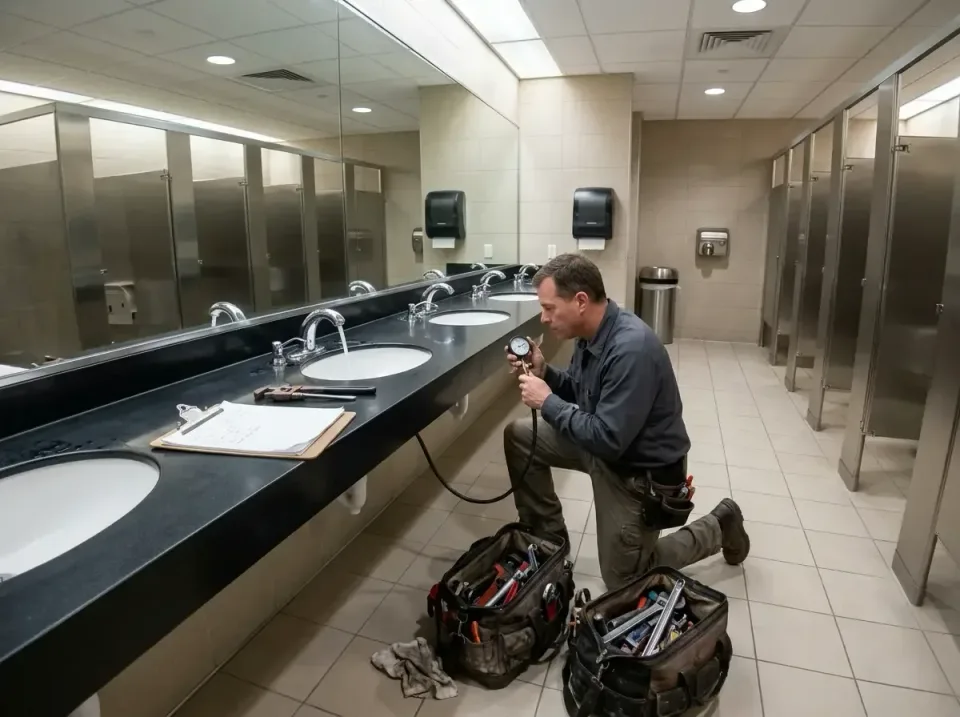
A sink that fills slowly needs a fixture-focused check, not a guess. We compare flow at the affected basin and inspect accessible connections before recommending work; a calibrated gauge can help distinguish a local restriction from a broader supply issue.
Rural properties may rely on wells and pressure tanks, so a sink complaint can reflect how stored water reaches the fixture. North Dakota’s low average humidity can mean more household water use, adding demand during busy periods.
Blizzards and drifting snow can delay service calls, so sharing access details early helps us plan. Near Red River Zoo, the same practical approach applies: identify the affected sink and the conditions around it.
We explain what we find and confirm the repair scope before work begins. Call (877) 773-0781 to review a sink-pressure concern.
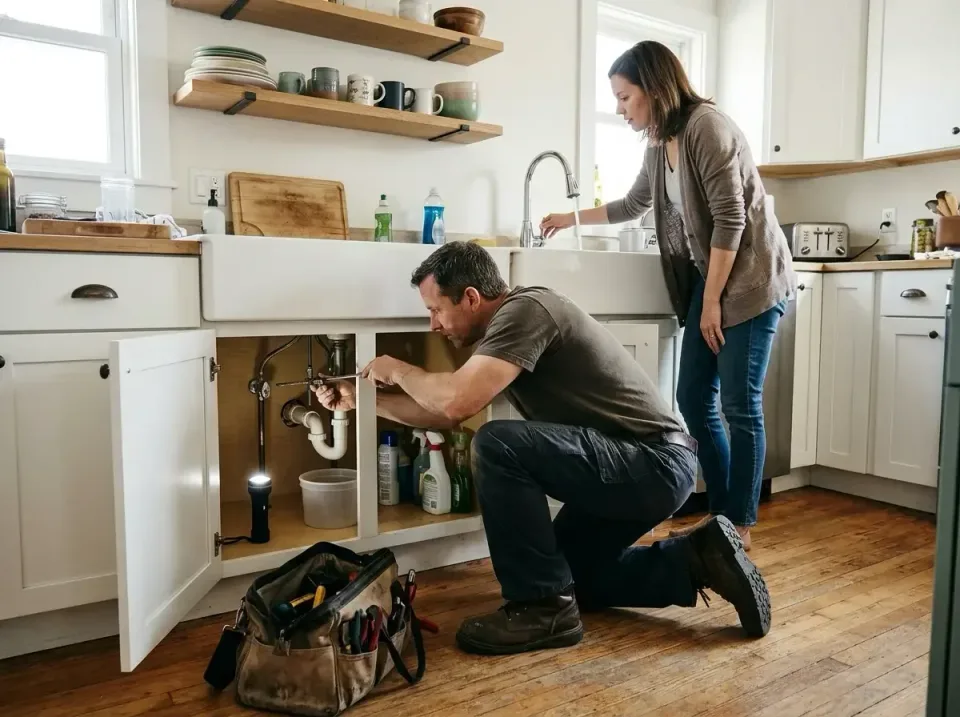
We start by confirming which sink is affected and whether the hot side, cold side, or both show weak flow. Keep the cabinet accessible and tell us whether the change is constant or intermittent.
Next, we compare nearby fixtures and inspect visible supply connections. In homes around Downtown Bismarck or Downtown Grand Forks, the same fixture-by-fixture comparison helps keep the diagnosis tied to the actual sink, not a broad assumption about the neighborhood. If testing is needed, we use a calibrated pressure gauge; readings can vary with demand and elevation, so conditions during the check matter.
We explain the finding, describe the repair scope, and get your approval before proceeding. After the work, we run the sink and confirm whether its flow has improved. The visit’s timing depends on the repair and access, and we’ll discuss that before work starts.
A sink in a home near Downtown Minot may run weakly even when a nearby fixture seems normal; a rushed fix can replace parts without identifying the actual restriction. We check the affected basin first.
Spring freeze-thaw cycles can stress buried pipes, but they do not prove that a sink’s local flow problem comes from underground. We keep the diagnosis specific to the fixture and explain when the evidence points beyond it. A homeowner can safely compare hot and cold flow, but should avoid forcing stuck fittings or changing concealed plumbing without a clear scope.
Near Lake Metigoshe State Park, seasonal conditions are a reminder to report when the flow changed, not a reason to assume a cause. The North Dakota State Capitol is a useful state reference; our crew checks applicable plumbing requirements rather than relying on a guess.
We explain findings in plain language, confirm the scope before work, and leave you with a clear next step. North Dakota Plumbing Pros is a North Dakota-licensed plumbing contractor and insured plumbing service provider.
A slow kitchen sink may need a small accessible repair, while a fixture with concealed or difficult-to-reach connections can take more diagnostic time. Access and confirmed scope matter. Pressure testing is $75–$200 when diagnostic time and access are the main drivers; that figure is for testing, not a guaranteed sink-repair total.
Dry indoor winter air can increase household water use, so tell us if weak flow appears during periods of heavier demand. U.S.
Highway 2 is a useful regional reference for planning service access, while the Plains Art Museum offers a local point of orientation; neither determines a repair price. We base the quote on the actual fixture, parts needed, and access after examining the sink.
Estimates vary by parts, access, and site conditions; final quotes depend on the confirmed scope. For a quote matched to your sink, contact North Dakota Plumbing Pros at (877) 773-0781.
Warning signs
An uneven stream is a sign to watch. If water pulses or sputters briefly at one sink, note whether it settles without changing other taps. A repeatable change can help a technician understand what is happening before the flow becomes harder to use.
Water spraying sideways is a visible change worth noticing. Check whether the stream stays off-center after you adjust the faucet handle. Keep track of whether it happens every time or only occasionally; those details help distinguish a persistent change from a one-time splash.
A stream that takes longer to settle after you turn on the tap can signal a developing change. Notice whether the flow steadies on its own and whether the same behavior appears at other sinks. Sharing these observations can make an assessment more focused.
Before you hire
Ask how routes are planned and what service timing is available for your location, so you can decide whether the schedule fits your needs.
Understanding the terms in advance helps you know what you are agreeing to and what happens if the inspection reveals additional work. Ask for the plan and applicable service terms to be explained before authorizing repairs.
For weak sink flow, request a Low Sink Pressure Repair scope review from North Dakota Plumbing Pros at (877) 773-0781.
Yes, Low Sink Pressure Repair can address a problem limited to one side of a sink, but the cause needs to be checked at the fixture. Compare hot and cold flow and tell the plumber what you notice; residential pressure commonly measures 40–60 psi, though a sink’s symptoms still need fixture-level context.
Yes, arrange an inspection if a sink already has weak flow, and winterize vacant properties before extended cold-weather absences. A continental climate with cold winters and warm summers brings seasonal changes, so share the home’s vacancy plans and any known sink-flow changes when arranging service.
Send a photo of the sink and cabinet area, note whether hot, cold, or both sides run weakly, and describe when you first noticed it. Bismarck Airport can help orient a service location, while a clear note about access matters more for planning the fixture inspection.
Yes, discuss timing and access before scheduling, especially if the home will be vacant for an extended cold-weather absence. The Dakota Zoo is a recognizable regional landmark, but for service planning, provide the property location and ensure the sink and cabinet can be reached.
Select a city to find local low water pressure repair providers we cover in North Dakota.