Water Booster Pump Installation
We install residential booster pumps sized to the water demand and electrical setup; typical jobs run $800–$2,500, depending on pump and electrical work.
A booster pump that hums but cannot keep water moving can leave upstairs fixtures weak and showers fading mid-use. North Dakota Plumbing Pros repairs booster pump controls and components for homes across North Dakota, with attention to the conditions that make the system work harder.
Browse all service options available across North Dakota and choose the right fit for your project.
We install residential booster pumps sized to the water demand and electrical setup; typical jobs run $800–$2,500, depending on pump and electrical work.
Pressure switch repair checks and replaces pump controls for homes and well systems; typical jobs run $150–$450, depending on switch type and access.
We repair residential pressure tanks, checking tank capacity and connections; typical repairs or replacement run $300–$1,200, depending on tank size and access.
Well pump repair covers motor, wiring, and delivery faults for homeowners; typical repairs run $350–$1,800, depending on pump type, depth, and access.
We repair residential pressure regulators, checking valve size and access; replacement typically runs $250–$650. Downtown Grand Forks homes should consider Red River flood exposure.
We trace sudden whole-house pressure loss for homeowners, including accessible pipe and system checks; typical repairs run $150–$900, depending on pipe location and damage.
Low Shower Pressure Repair for homeowners with weak or fading shower flow; diagnosis and fixture access shape the job cost.
We trace weak hot-water flow in homes, including faucet restrictions and hot-side piping. Job cost depends on access and the repair scope.
We repair buried water service lines for homeowners, including accessible pipe sections and connections. Typical repairs may run $500–$3,000, depending on excavation access and pipe damage.
We clear and replace debris-clogged faucet aerators for homeowners; access, buildup, and replacement parts shape the typical $75–$150 job. Summer storms near Theodore Roosevelt National Park can make indoor faucet acc...
Burst Pipe Repair finds and replaces damaged supply pipe in homes and rentals; many straightforward repairs run about $200–$1,000, depending on access and damage.
We test residential and well-system pressure with a calibrated gauge; diagnostic time and access shape the typical charge.
Low well pressure diagnosis and repair for homeowners, including checks of the well system and pressure equipment; typical jobs run $250–$900 depending on access and parts.
We clear household drain and water-pipe blockages, including debris in accessible lines; typical jobs run $150–$600, depending on blockage location and access.
Low Sink Pressure Repair restores weak flow at residential sink fixtures; repair scope and access affect the typical $125–$350 cost.
Water Leak Repair for homeowners and property managers covers accessible pipe leaks and damaged sections; typical repairs run $150–$900, depending on pipe location and damage.
We repair residential filter housings and clogged cartridges; access and cartridge type shape the job. Typical repairs run about $150–$500.
We thaw and repair frozen household pipes, including accessible copper or plastic sections; typical jobs run $150–$1,000+, depending on access and pipe damage.
We repair residential water softeners with restricted-flow or valve issues; access to the unit and replacement-part needs shape the job estimate.
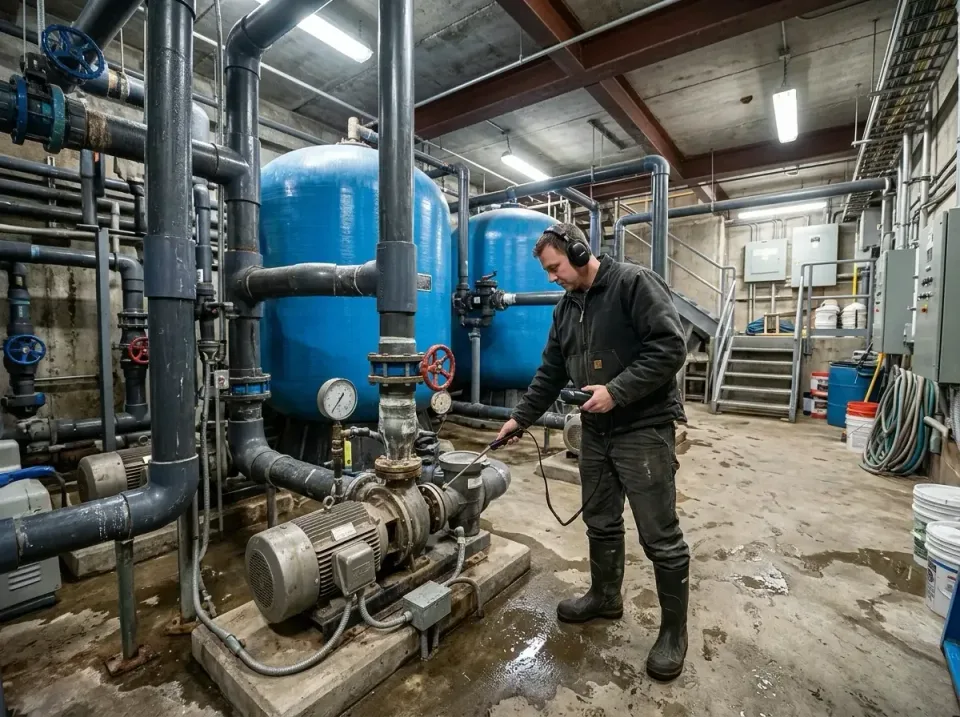
A booster pump should add pressure without running constantly or creating abrupt surges. We inspect its pump, controls, connections, and operating conditions, then explain which repair fits the confirmed fault. A calibrated gauge helps us compare readings; residential pressure commonly measures 40–60 psi, though demand and elevation affect what a fixture receives.
In North Dakota, dry indoor winter air can lead households to use more water, making a pump work through longer demand periods. Summer heat can raise outdoor water use, while heavy rain may increase sump pump demand and complicate access to mechanical areas. We account for the actual conditions instead of assuming every weak-flow complaint has the same cause.
We explain the findings and confirm the work scope before repairs begin. For a review, call (877) 773-0781.
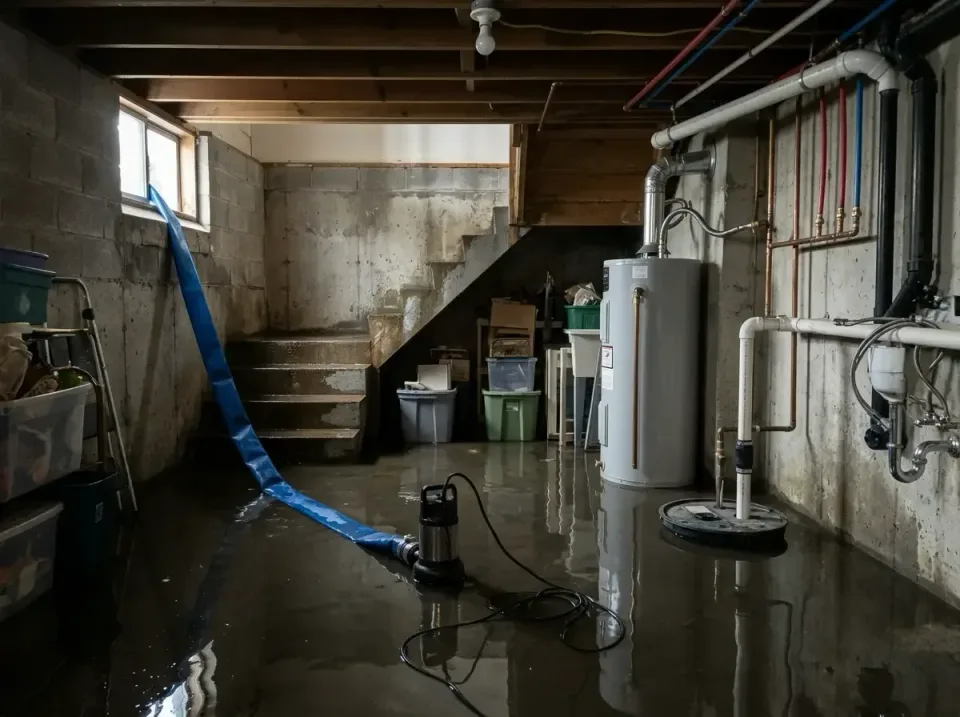
We begin by reviewing the pump’s symptoms, equipment access, and any recent changes in water use. Then we inspect the booster assembly and use a calibrated gauge to check pressure; readings vary with demand and elevation, so one number alone may not explain the fault.
Next, we compare operation with fixtures closed and while water is flowing, looking for a pressure drop across the pump or connected equipment. Heavy snowfall can obstruct outdoor plumbing access, so please clear a safe path to exterior components when possible. North Dakota’s low average humidity can also encourage more household water use, which may affect how the pump performs during the visit.
We share the likely cause and proposed scope before work starts, then check operation after the repair. For background on weak upper-floor flow, see our booster pump guide.
A booster pump that runs constantly in a North Dakota home can tempt an owner to adjust controls or replace parts by guesswork. That can mask the real fault or leave the pump working against a restriction.
Our crew checks pressure and pump operation before recommending a repair, then matches the work to the observed failure rather than changing parts without evidence. Around Bismarck Airport, a homeowner arranging service can share photos of the pump label and surrounding clearance to help us plan access.
For vacant properties, winterize the plumbing before an extended cold-weather absence; leaving a pump system unattended through freezing conditions can create additional damage. We explain our findings plainly and confirm the repair plan before proceeding.
If the pump is audible but pressure remains weak, the repair price depends on what testing finds not simply on the sound or age of the unit. A booster pump repair may involve a failed component, electrical work, or more time to reach equipment; pump type, parts, and access all affect the final scope.
For context, pressure testing commonly runs $75–$200, with diagnostic time and access affecting the charge. Booster pump installation not repair often falls around $800–$2,500 because pump selection and electrical work change the job.
We do not treat an installation range as a repair quote. Contact North Dakota Plumbing Pros for a final quote matched to the confirmed scope; estimates vary by parts, access, and site conditions.
If you are near U.S. Highway 2, confirm the pump area is reachable before a visit. The North Dakota State Fair Center is another useful regional reference when arranging service access, while rapid snowmelt can contribute to basement seepage that complicates work around mechanical equipment. Call (877) 773-0781 to discuss the job.
Warning signs
Unusual pump noise is a sign worth checking. A new hum, rattle, or grinding sound near the equipment can point to wear or a loose part. Note when it happens and whether it changes, so a technician has useful details to assess.
Water near the pump or its connections is a warning sign. Dampness, fresh drips, or corrosion can indicate a leak that may affect nearby equipment. Keep the area clear and have the source checked before moisture spreads or damages surrounding surfaces.
Before you hire
Permit requirements can vary with the work and local rules. Ask who checks what applies and who submits any required paperwork. Clear responsibility helps you understand what is included and avoids assuming that every repair follows the same process.
Ask how the service schedule is arranged for your location and how the team communicates changes. That helps set practical expectations without assuming a specific arrival time.
Read the written terms for the agreed scope, any exclusions, and how changes are handled. Ask for clarification before authorizing work if anything is unclear. Understanding the terms helps you know what has been approved without relying on assumptions or verbal shorthand.
Call North Dakota Plumbing Pros at (877) 773-0781 to review your booster pump symptoms and arrange a repair scope.
Yes, a booster pump repair can help if testing shows the pump is failing to maintain flow under demand. Rural properties may rely on wells and pressure tanks, so share that system detail when describing the issue.
Yes, seasonal conditions can affect pump demand and access; North Dakota has a continental climate with cold winters and warm summers. Before scheduling, note whether the symptom appears during a particular season or after a change in water use.
Photos of the pump label, its installation area, and any visible controls can help us understand access and equipment type before the visit. If your property is near the National Buffalo Museum, describe the site location clearly so scheduling details are unambiguous.
Yes, we can review booster-pump symptoms at rural homes, where a well and pressure tank may be part of the supply. If you live near Jamestown Reservoir or the Enchanted Highway, mention the location and whether the pump serves the whole home.
A pump inspection can determine whether the booster itself is causing the pressure problem or whether another condition is affecting its performance. Knife River Indian Villages National Historic Site is a useful regional reference when describing a property location, and the pump’s label helps identify the equipment.
Select a city to find local low water pressure repair providers we cover in North Dakota.