Pressure Switch Repair
Pressure switch repair checks and replaces pump controls for homes and well systems; typical jobs run $150–$450, depending on switch type and access.
A booster pump can add pressure when a building’s incoming supply cannot keep up with demand, but choosing one without checking the system can leave the real problem untouched. North Dakota Plumbing Pros installs water booster pumps for North Dakota properties, including homes where pressure changes with elevation or simultaneous water use.
Browse all service options available across North Dakota and choose the right fit for your project.
Pressure switch repair checks and replaces pump controls for homes and well systems; typical jobs run $150–$450, depending on switch type and access.
We repair residential booster pumps, including worn controls and pump components; repair scope and access shape the cost. Blizzards can delay visits, so clear snow near equipment.
We repair residential pressure tanks, checking tank capacity and connections; typical repairs or replacement run $300–$1,200, depending on tank size and access.
Well pump repair covers motor, wiring, and delivery faults for homeowners; typical repairs run $350–$1,800, depending on pump type, depth, and access.
We repair residential pressure regulators, checking valve size and access; replacement typically runs $250–$650. Downtown Grand Forks homes should consider Red River flood exposure.
We trace sudden whole-house pressure loss for homeowners, including accessible pipe and system checks; typical repairs run $150–$900, depending on pipe location and damage.
Low Shower Pressure Repair for homeowners with weak or fading shower flow; diagnosis and fixture access shape the job cost.
We trace weak hot-water flow in homes, including faucet restrictions and hot-side piping. Job cost depends on access and the repair scope.
We repair buried water service lines for homeowners, including accessible pipe sections and connections. Typical repairs may run $500–$3,000, depending on excavation access and pipe damage.
We clear and replace debris-clogged faucet aerators for homeowners; access, buildup, and replacement parts shape the typical $75–$150 job. Summer storms near Theodore Roosevelt National Park can make indoor faucet acc...
Burst Pipe Repair finds and replaces damaged supply pipe in homes and rentals; many straightforward repairs run about $200–$1,000, depending on access and damage.
We test residential and well-system pressure with a calibrated gauge; diagnostic time and access shape the typical charge.
Low well pressure diagnosis and repair for homeowners, including checks of the well system and pressure equipment; typical jobs run $250–$900 depending on access and parts.
We clear household drain and water-pipe blockages, including debris in accessible lines; typical jobs run $150–$600, depending on blockage location and access.
Low Sink Pressure Repair restores weak flow at residential sink fixtures; repair scope and access affect the typical $125–$350 cost.
Water Leak Repair for homeowners and property managers covers accessible pipe leaks and damaged sections; typical repairs run $150–$900, depending on pipe location and damage.
We repair residential filter housings and clogged cartridges; access and cartridge type shape the job. Typical repairs run about $150–$500.
We thaw and repair frozen household pipes, including accessible copper or plastic sections; typical jobs run $150–$1,000+, depending on access and pipe damage.
We repair residential water softeners with restricted-flow or valve issues; access to the unit and replacement-part needs shape the job estimate.
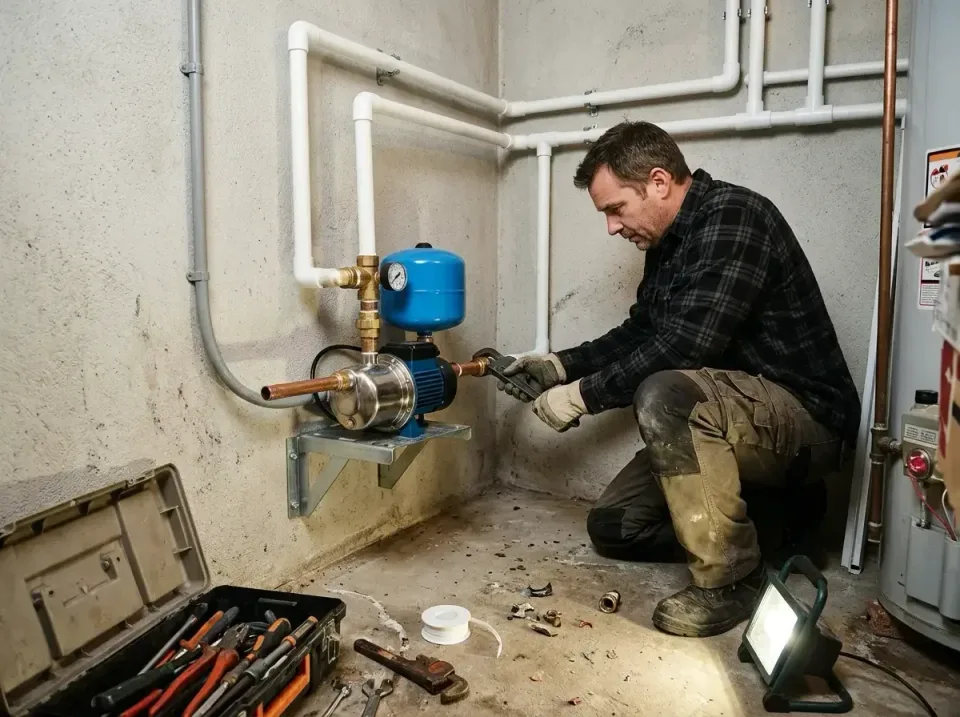
A new booster pump should match the building’s water demand, not just a complaint about weak flow. We use a calibrated pressure gauge to check readings, then review the proposed pump’s capacity and electrical needs before confirming the installation scope.
North Dakota’s Heritage Center & State Museum offers a useful reminder that local buildings span many eras; a pump must suit the actual piping and fixtures, not a generic house plan. Heavy rain may increase sump pump demand, so we consider whether drainage equipment and water supply equipment will compete for electrical capacity.
Dry indoor winter air can prompt more household water use, while summer heat can raise outdoor demand; both may affect the load a pump must serve. For a scope review, call North Dakota Plumbing Pros at (877) 773-0781.
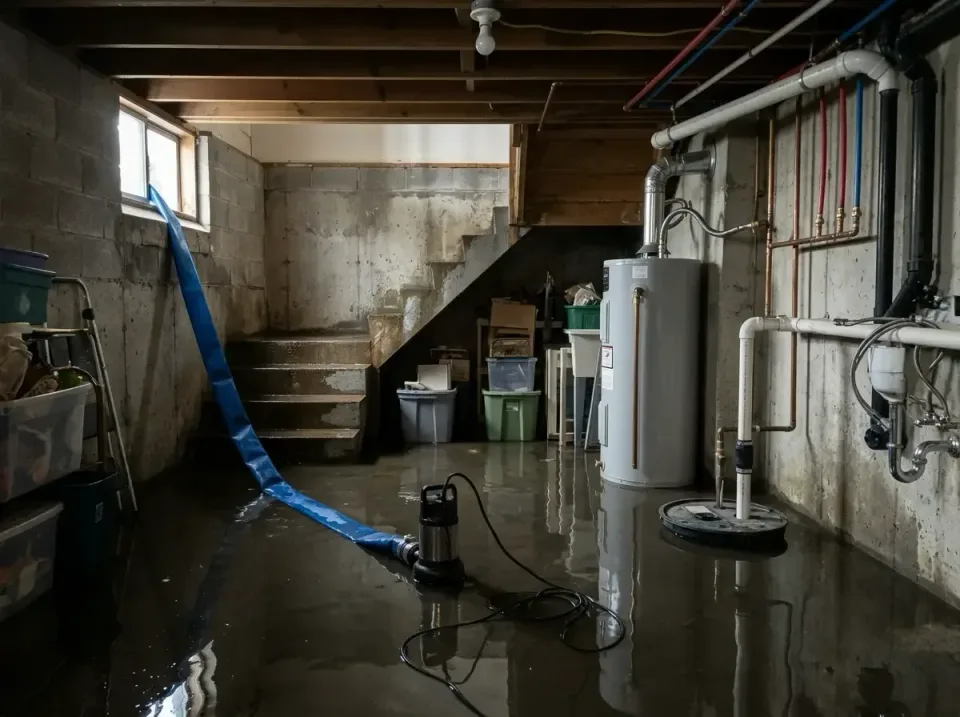
We begin by reviewing the property’s water demand, pump location, and available electrical connection. This establishes whether the installation can fit the site and what work falls within the agreed scope.
Next, we assess the system’s pressure under the conditions the customer describes. Pressure readings vary with demand and elevation, so a single observation may not represent performance throughout the building. We explain the equipment choice and any access or connection work before proceeding; heavy snowfall can obstruct outdoor plumbing access, so clear access to exterior equipment helps avoid delays.
After the scope is approved, we install the selected pump, make the planned connections, and check operation. North Dakota has low average humidity, which can contribute to greater household water use; sharing seasonal demand patterns helps us assess the pump’s intended load. We finish by explaining the installation and any follow-up needs.
A homeowner near Downtown Minot may notice weak flow upstairs and be tempted to buy the largest pump available. That can miss the actual demand and create a poor fit.
We check the proposed pump against the building’s water needs, connection points, and electrical setup before work begins. North Dakota’s continental climate brings cold winters and warm summers, so equipment placement and protection deserve attention through seasonal changes. A pump selected without checking the installation location may be difficult to access or maintain later.
We also explain what the work includes and confirm the scope before installation, rather than leaving the customer to infer what a product purchase covers. The Enchanted Highway is a familiar North Dakota route, but access conditions vary from property to property; we plan around the actual work area. If you are comparing equipment, share the product details and the fixtures it should serve so we can review whether the proposed installation makes sense.
If you are comparing pump proposals, the equipment price alone does not show the full installation scope. A booster pump installation commonly falls around $800–$2,500, with pump selection and electrical work driving the range.
A smaller pump and accessible connection point may require less work than a higher-capacity unit needing additional electrical work or difficult access. We confirm the pump’s intended demand, installation location, connections, and electrical requirements before preparing a job-specific quote. North Dakota State University is a familiar local reference point, but the property’s actual setup not its proximity to a campus determines the work.
Rapid snowmelt can contribute to basement seepage, so tell us if the proposed pump location is in a basement that has experienced water entry; it can affect access and planning. Estimates vary by parts, access, and site conditions; final quotes depend on the confirmed scope. Call North Dakota Plumbing Pros at (877) 773-0781 to review the installation details.
Theodore Roosevelt National Park is in western North Dakota; Scandinavian Heritage Park is in Minot.
Yes, a booster pump may help if the supply pressure and building demand show that added pressure is appropriate. Rural properties may rely on wells and pressure tanks, so tell us what water source serves the home before equipment is selected.
Send photos of the proposed pump location, nearby connections, and electrical access, along with the fixtures you want the pump to serve. A summer thunderstorm can bring intense rainfall, so mention any water entry near the equipment area when arranging the site review.
Permit needs depend on the work and jurisdiction; the North Dakota Plumbing Code should be checked in its current edition for applicable requirements. North Dakota Century Code Chapter 43-18 addresses plumber licensing, and our crew can clarify the installation scope before work is approved.
Yes, a booster pump may be suitable for some rural systems, but the existing supply and equipment must be considered before choosing one. Rural properties may rely on wells and pressure tanks, so share the system details and any available equipment information for review.
Yes, blizzards and drifting snow can delay service calls or make outdoor equipment access unsafe. The Knife River Indian Villages National Historic Site is a North Dakota landmark; for rural properties, share current access conditions when arranging installation so scheduling can account for the site.
Select a city to find local low water pressure repair providers we cover in North Dakota.