Water Booster Pump Installation
We install residential booster pumps sized to the water demand and electrical setup; typical jobs run $800–$2,500, depending on pump and electrical work.
A regulator that sticks can leave every faucet weak or make pressure surge without warning. North Dakota Plumbing Pros handles regulator repairs across North Dakota, including calls near Alerus Center, Kirkwood Mall, and Scheels Arena.
Browse all service options available across North Dakota and choose the right fit for your project.
We install residential booster pumps sized to the water demand and electrical setup; typical jobs run $800–$2,500, depending on pump and electrical work.
Pressure switch repair checks and replaces pump controls for homes and well systems; typical jobs run $150–$450, depending on switch type and access.
We repair residential booster pumps, including worn controls and pump components; repair scope and access shape the cost. Blizzards can delay visits, so clear snow near equipment.
We repair residential pressure tanks, checking tank capacity and connections; typical repairs or replacement run $300–$1,200, depending on tank size and access.
Well pump repair covers motor, wiring, and delivery faults for homeowners; typical repairs run $350–$1,800, depending on pump type, depth, and access.
We trace sudden whole-house pressure loss for homeowners, including accessible pipe and system checks; typical repairs run $150–$900, depending on pipe location and damage.
Low Shower Pressure Repair for homeowners with weak or fading shower flow; diagnosis and fixture access shape the job cost.
We trace weak hot-water flow in homes, including faucet restrictions and hot-side piping. Job cost depends on access and the repair scope.
We repair buried water service lines for homeowners, including accessible pipe sections and connections. Typical repairs may run $500–$3,000, depending on excavation access and pipe damage.
We clear and replace debris-clogged faucet aerators for homeowners; access, buildup, and replacement parts shape the typical $75–$150 job. Summer storms near Theodore Roosevelt National Park can make indoor faucet acc...
Burst Pipe Repair finds and replaces damaged supply pipe in homes and rentals; many straightforward repairs run about $200–$1,000, depending on access and damage.
We test residential and well-system pressure with a calibrated gauge; diagnostic time and access shape the typical charge.
Low well pressure diagnosis and repair for homeowners, including checks of the well system and pressure equipment; typical jobs run $250–$900 depending on access and parts.
We clear household drain and water-pipe blockages, including debris in accessible lines; typical jobs run $150–$600, depending on blockage location and access.
Low Sink Pressure Repair restores weak flow at residential sink fixtures; repair scope and access affect the typical $125–$350 cost.
Water Leak Repair for homeowners and property managers covers accessible pipe leaks and damaged sections; typical repairs run $150–$900, depending on pipe location and damage.
We repair residential filter housings and clogged cartridges; access and cartridge type shape the job. Typical repairs run about $150–$500.
We thaw and repair frozen household pipes, including accessible copper or plastic sections; typical jobs run $150–$1,000+, depending on access and pipe damage.
We repair residential water softeners with restricted-flow or valve issues; access to the unit and replacement-part needs shape the job estimate.
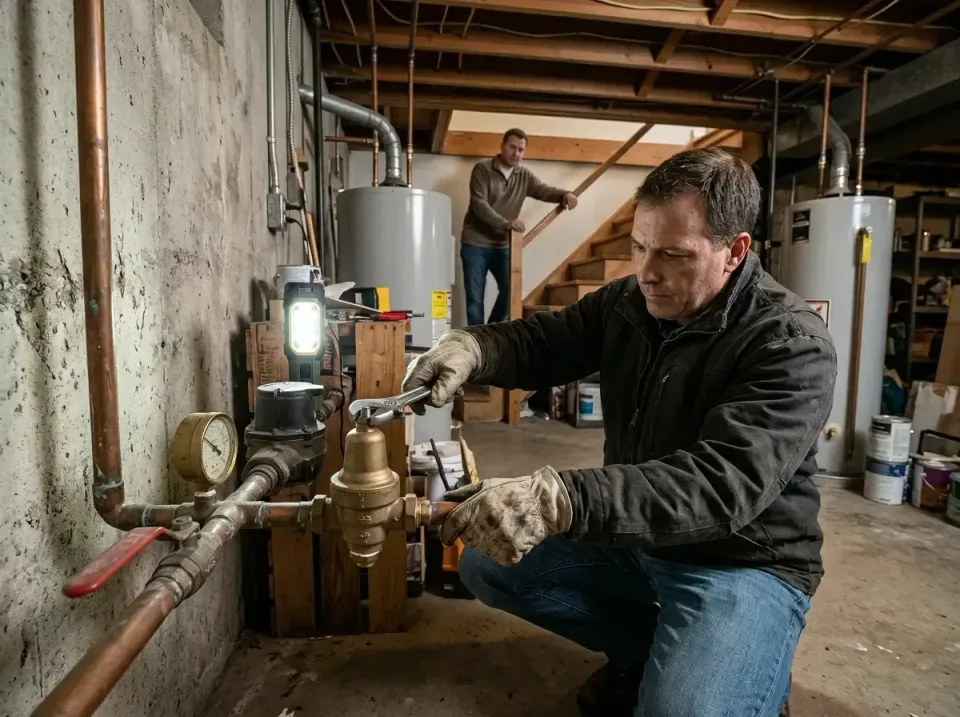
A pressure-reducing valve can stick, wear, or fall out of adjustment, leaving water too weak at fixtures or letting pressure run higher than intended. We test before recommending a repair.
Our crew uses a calibrated gauge and compares readings with fixtures closed and while water flows. On rural properties, a pressure tank and well can affect the reading, so we identify how the regulator fits the full system before setting scope.
Dry indoor winter air can lead households to use more water, which makes demand-related changes easier to notice. Summer heat can raise outdoor water use, so a pressure complaint may appear only when irrigation is running.
Near the North Dakota State Capitol, we also account for the home’s specific plumbing layout rather than assuming every regulator is alike.
North Dakota has a continental climate with cold winters and warm summers; seasonal use and temperature shifts can change what homeowners notice. Call (877) 773-0781 to discuss the symptom and arrange a scope review.
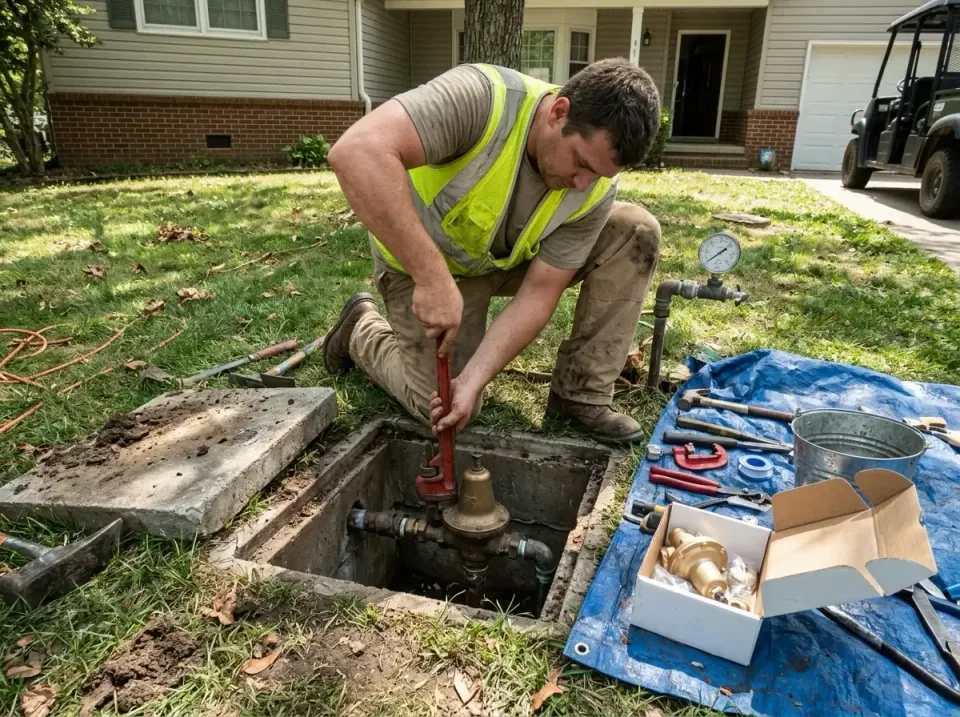
We begin by confirming which fixtures are affected and when the pressure changes. Please clear access to the regulator if you can do so safely; heavy snowfall can obstruct outdoor plumbing access, so mention any buried or snow-covered equipment when scheduling.
Next, we inspect the valve and take gauge readings with fixtures closed, then while water flows. Residential pressure commonly measures 40–60 psi, but readings vary with demand and elevation, so we compare the conditions rather than treating one number as a diagnosis.
We explain whether the regulator can be adjusted or needs replacement, then confirm the work scope before starting. Access and valve size affect the work window; the testing itself is generally a focused diagnostic visit, while parts availability or difficult access can extend completion.
Customers near Interstate 94 can share access details when arranging the visit. For background on our approach, read about North Dakota Plumbing Pros.
A regulator concern at a North Dakota home near Garrison Dam calls for measured diagnosis, not a blind turn of the adjustment screw. Spring freeze-thaw cycles can stress buried pipes, so a pressure change after thaw deserves a careful check rather than an assumption that the valve alone is at fault.
We use a gauge to distinguish a pressure problem from a fixture-specific complaint, and we explain what the readings show before recommending work. That step helps avoid setting the regulator too high or too low.
Summer thunderstorms can bring intense rainfall; if a homeowner notices pressure changes during wet weather, we keep the regulator diagnosis separate from unrelated drainage symptoms. We also check access and the existing valve configuration before confirming scope, instead of promising a replacement before seeing the installation.
Near the International Peace Garden, seasonal property use can mean a system has sat idle; tell us how long it was unused so we can factor that into the inspection. Our crew can review the findings and explain the practical next step.
If pressure readings point to a worn regulator, replacement commonly falls between $250 and $650; valve size and access are the main drivers. A cramped utility area or unusual connection can add labor compared with an accessible standard installation.
Testing alone is commonly $75–$200, depending on diagnostic time and access. That can be useful when the symptom appears only during certain water use, since a single observation may not reveal the cause.
At North Dakota State University, older or modified buildings may have different access conditions, so a site review matters more than assuming one flat figure. The North Dakota State Fair Center is another reminder that building scale and plumbing layout vary; a home estimate must be based on the actual valve and piping.
Rapid snowmelt can contribute to basement seepage, but seepage is not itself proof of a regulator fault. Estimates vary by parts, access, and site conditions; final quotes depend on confirmed scope. Call (877) 773-0781 for a quote matched to the job.
Warning signs
Corrosion or mineral buildup on regulator fittings can signal a developing plumbing issue. Look for changes around the valve, but avoid scraping or loosening parts. A technician can inspect the regulator and determine whether cleaning, adjustment, or repair is needed.
A regulator that rattles, hums, or makes a repeated tapping sound may need inspection. Note when the sound occurs and where it seems to come from. Sharing those details can help a technician assess the regulator without guessing at the cause.
Before you hire
Ask whether permits apply to the planned regulator work and who will handle them. North Dakota Plumbing Pros is a North Dakota-licensed plumbing contractor; clear answers help you understand what approvals may be needed for your specific repair.
Ask about the service schedule for your location so you know what timing to expect.
Call North Dakota Plumbing Pros at (877) 773-0781 to request a Water Pressure Regulator Repair scope review.
Yes, a regulator fault can contribute, but summer heat can raise outdoor water demand and make a system’s limits more noticeable. Note whether pressure changes only while watering, then share that detail with our crew so the diagnosis reflects the actual demand.
Yes, have a known regulator problem checked before an extended cold-weather absence, and winterize vacant properties before leaving them through severe cold. A North Dakota winter can expose plumbing weaknesses, so arrange safe access to the equipment and ask us to review the pressure concern before departure.
Yes, North Dakota’s continental climate brings cold winters and warm summers, and seasonal demand can change when a regulator problem becomes noticeable. Keep a note of whether the symptom appears during heavy indoor use or outdoor watering; that pattern helps our crew assess the valve.
Tell us which fixtures are affected, when the pressure changes, and whether the regulator is easy to reach; a clear photo of the visible valve can also help scope access. Properties around Bismarck Airport may have different travel and access considerations, so provide the service address when requesting a review.
It can address a regulator fault, but the cause needs to be confirmed rather than assumed after time away. If the home was vacant, winterize it before extended cold-weather absences and tell our crew how long the plumbing was unused when arranging an inspection.
Select a city to find local low water pressure repair providers we cover in North Dakota.