Sudden Pressure Loss Repair
We trace sudden whole-house pressure loss for homeowners, including accessible pipe and system checks; typical repairs run $150–$900, depending on pipe location and damage.
A pressure tank that leaves the well pump clicking on and off can make taps sputter and daily water use unpredictable. North Dakota Plumbing Pros repairs tank systems across North Dakota; during blizzards, drifting snow can delay a visit, so clear access when weather allows.
Browse all service options available across North Dakota and choose the right fit for your project.
We trace sudden whole-house pressure loss for homeowners, including accessible pipe and system checks; typical repairs run $150–$900, depending on pipe location and damage.
Burst Pipe Repair finds and replaces damaged supply pipe in homes and rentals; many straightforward repairs run about $200–$1,000, depending on access and damage.
We test residential and well-system pressure with a calibrated gauge; diagnostic time and access shape the typical charge.
Low well pressure diagnosis and repair for homeowners, including checks of the well system and pressure equipment; typical jobs run $250–$900 depending on access and parts.
Water Leak Repair for homeowners and property managers covers accessible pipe leaks and damaged sections; typical repairs run $150–$900, depending on pipe location and damage.
We repair residential water softeners with restricted-flow or valve issues; access to the unit and replacement-part needs shape the job estimate.
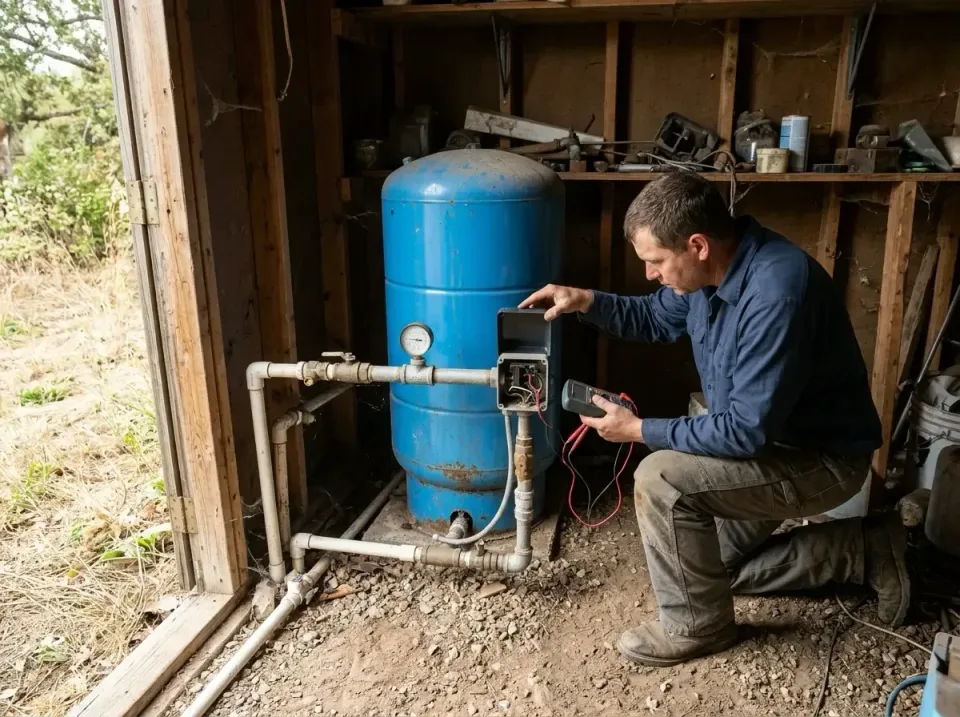
A pressure tank that cannot hold a steady reserve may leave a rural household with uneven water delivery. We check the tank’s condition and pressure readings before recommending a repair; the gauge must be calibrated, and readings can shift with demand and elevation.
Rural properties may rely on wells and pressure tanks, so a tank fault can affect the household’s whole water supply. Near Alerus Center, urban service access differs from a rural well-system visit, and we confirm the site details before setting scope.
We explain what the readings show and what work is justified. For a clear scope review, call (877) 773-0781.
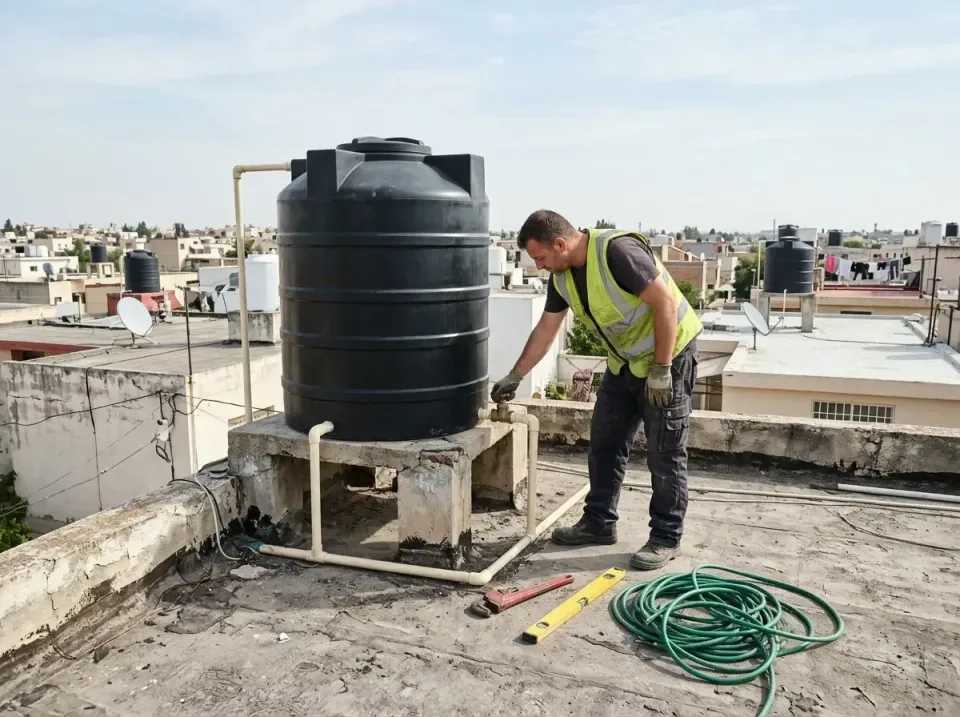
First, tell us what the pump and faucets are doing, and share a photo of the tank and its label if safely accessible. We use that information to prepare for the visit, not to promise a diagnosis before inspection.
We then inspect the tank and take pressure readings with a calibrated gauge. For a well system, the precharge should be set 2 psi below the pressure-switch cut-in setting; we verify the applicable system settings rather than guessing.
Readings vary with demand and elevation, so assessment time depends on access and operating conditions. Around Lake Sakakawea, distance and site access may affect scheduling, while heavy rain can increase sump pump demand at a property; tell us if water is accumulating near the work area.
Near Minot International Airport, provide clear directions to the equipment. We explain findings and confirm the repair scope before work begins.
A tank near Fort Union Trading Post National Historic Site still needs diagnosis based on its readings and condition, not a guessed adjustment. Long winter freezes can freeze exposed water pipes, so we also consider whether exposed plumbing near the tank needs attention during the visit.
A do-it-yourself precharge change can miss the key detail: the tank must be checked with the water side depressurized for an accurate air-side reading. We use a calibrated gauge, compare the result with the system’s actual cut-in setting, and explain the finding in plain language.
North Dakota has low average humidity, but that fact alone does not diagnose a tank fault; measured pressure and inspection do. Our North Dakota-licensed plumbing contractor confirms the scope before work, and we plan carefully for winter conditions.
If heavy snowfall obstructs outdoor access, clearing a safe route to the equipment helps us inspect it without unnecessary delay.
If the well pump cycles repeatedly, the tank’s size and condition help determine the repair scope. A typical pressure tank repair or replacement is $300–$1,200, with capacity, connections, and access affecting the final amount. Estimates vary by parts, access, and site conditions; final quotes depend on the confirmed scope.
We inspect before recommending replacement, since a larger tank is not automatically the right fix. Spring freeze-thaw cycles can stress buried pipes, so a tank visit may also need careful attention to the visible system and site conditions rather than an assumption about the tank alone.
Near Theodore Roosevelt National Park, travel and property access can also shape the visit plan. The North Dakota State Fair Center is a recognizable point of reference for regional customers, but the service quote is based on the property itself. Call (877) 773-0781 to review the findings and receive a scope-based quote.
Warning signs
Water pooling near the pressure tank is a visible warning sign. Check whether the area stays damp or the moisture returns after drying. A leak can damage nearby surfaces, so note where water appears and share that detail when discussing repair.
Rust or corrosion on the tank is an early sign to pay attention to. Look over the visible tank surface and nearby connections without disturbing the equipment. Sharing where the corrosion appears can help a technician assess the tank and explain possible repair needs.
Unusual banging or humming near the pressure tank can signal a change in how the system is operating. Notice when the sound occurs and whether it seems to come from the tank or pump area. That detail can help narrow down what needs inspection.
Before you hire
Permit requirements can depend on the work and local rules. Ask the provider to explain whether a permit applies and who will coordinate it, so you know what is included and what responsibilities remain with you.
Statewide trips can involve longer drives and route planning.
A clear plan helps prevent confusion about the work being done. Ask how the technician will explain findings and confirm the repair plan with you before starting, so you can understand the proposed work and raise questions first.
Call North Dakota Plumbing Pros at (877) 773-0781 to discuss tank repair; for properties near Downtown Bismarck, Downtown Grand Forks, or the Fargodome, share your location and access details when arranging a scope review.
Yes, rapid snowmelt can contribute to basement seepage, so tell us if water is collecting near the tank or access route before the visit. Keep the work area clear and avoid handling electrical equipment in a wet space.
Describe any current water intrusion when arranging service so the crew can review site conditions.
Yes, planning before travel gives you time to arrange access and explain how the system behaves. If a property will be vacant, include winterization in your preparations rather than leaving the tank and connected plumbing unattended through cold weather.
Yes, the tank can be assessed when the equipment is safely accessible. Share its location and a clear photo if available; distance and access conditions help us plan the visit and confirm the inspection scope.
Send a photo of the tank label and describe when the pump cycles or water flow changes. That information helps us understand the system and access needs, while the tank’s capacity and inspected condition determine the repair scope.
Select a city to find local low water pressure repair providers we cover in North Dakota.