Water Booster Pump Installation
We install residential booster pumps sized to the water demand and electrical setup; typical jobs run $800–$2,500, depending on pump and electrical work.
A well pump that runs but sends only a trickle can leave a household without dependable water. North Dakota Plumbing Pros handles well pump repair across North Dakota; blizzards can delay service travel, so share access details when arranging a visit.
Browse all service options available across North Dakota and choose the right fit for your project.
We install residential booster pumps sized to the water demand and electrical setup; typical jobs run $800–$2,500, depending on pump and electrical work.
Pressure switch repair checks and replaces pump controls for homes and well systems; typical jobs run $150–$450, depending on switch type and access.
We repair residential booster pumps, including worn controls and pump components; repair scope and access shape the cost. Blizzards can delay visits, so clear snow near equipment.
We repair residential pressure tanks, checking tank capacity and connections; typical repairs or replacement run $300–$1,200, depending on tank size and access.
We repair residential pressure regulators, checking valve size and access; replacement typically runs $250–$650. Downtown Grand Forks homes should consider Red River flood exposure.
We trace sudden whole-house pressure loss for homeowners, including accessible pipe and system checks; typical repairs run $150–$900, depending on pipe location and damage.
Low Shower Pressure Repair for homeowners with weak or fading shower flow; diagnosis and fixture access shape the job cost.
We trace weak hot-water flow in homes, including faucet restrictions and hot-side piping. Job cost depends on access and the repair scope.
We repair buried water service lines for homeowners, including accessible pipe sections and connections. Typical repairs may run $500–$3,000, depending on excavation access and pipe damage.
We clear and replace debris-clogged faucet aerators for homeowners; access, buildup, and replacement parts shape the typical $75–$150 job. Summer storms near Theodore Roosevelt National Park can make indoor faucet acc...
Burst Pipe Repair finds and replaces damaged supply pipe in homes and rentals; many straightforward repairs run about $200–$1,000, depending on access and damage.
We test residential and well-system pressure with a calibrated gauge; diagnostic time and access shape the typical charge.
Low well pressure diagnosis and repair for homeowners, including checks of the well system and pressure equipment; typical jobs run $250–$900 depending on access and parts.
We clear household drain and water-pipe blockages, including debris in accessible lines; typical jobs run $150–$600, depending on blockage location and access.
Low Sink Pressure Repair restores weak flow at residential sink fixtures; repair scope and access affect the typical $125–$350 cost.
Water Leak Repair for homeowners and property managers covers accessible pipe leaks and damaged sections; typical repairs run $150–$900, depending on pipe location and damage.
We repair residential filter housings and clogged cartridges; access and cartridge type shape the job. Typical repairs run about $150–$500.
We thaw and repair frozen household pipes, including accessible copper or plastic sections; typical jobs run $150–$1,000+, depending on access and pipe damage.
We repair residential water softeners with restricted-flow or valve issues; access to the unit and replacement-part needs shape the job estimate.
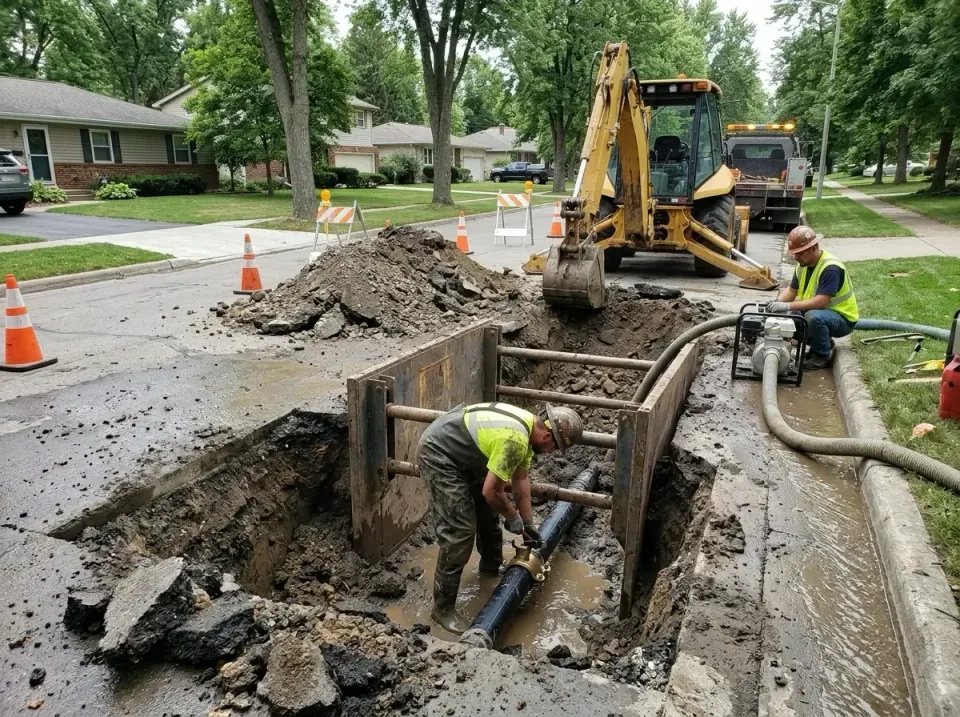
Well pump repair starts with identifying whether the pump, controls, or water supply is failing. We inspect the well system and use a calibrated gauge to compare pressure readings, then confirm the repair scope with you before work begins.
Rural properties may rely on a pump and pressure tank, so a fault can affect every tap at once. Near Lake Sakakawea, heavy rain can increase sump pump demand; keeping drainage equipment working matters when groundwater is rising, but it does not diagnose a well pump fault.
We explain what the readings show and what the repair involves before proceeding. Call (877) 773-0781 to review your well system and arrange a scope discussion.
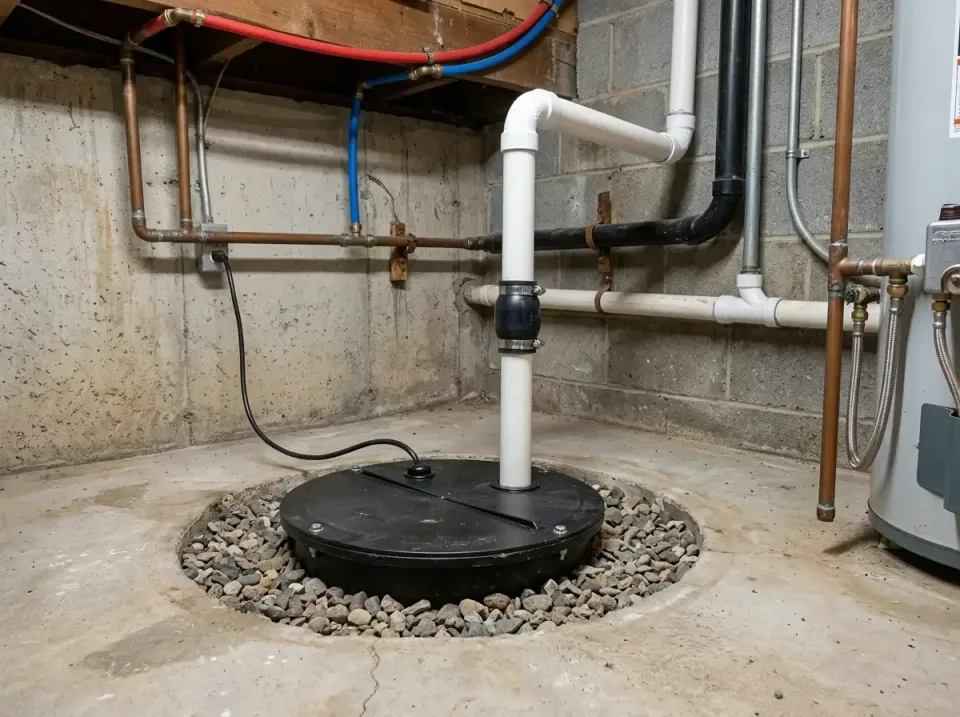
We begin by confirming the reported symptoms, the well-system layout, and safe access to the pump and controls. You do not need to adjust wiring or open equipment.
Next, we take pressure readings with a calibrated gauge and compare the system’s behavior under demand. Readings can vary with elevation and water use, so one number alone does not settle the diagnosis. Spring freeze-thaw cycles can stress buried pipes, while intense summer thunderstorms may bring heavy rainfall; we consider those conditions when discussing the system’s performance and access.
We review the findings and proposed scope with you before starting work. A visit near Minot International Airport, the North Dakota State Capitol, or Ralph Engelstad Arena still follows the same careful inspection; travel and site access can affect scheduling. After repair, we check operation again and explain what to watch for.
A household near Downtown Bismarck or Downtown Grand Forks may hear a pump cycling and assume the motor has failed. That can be wrong.
We test system pressure and observe pump behavior before recommending a repair, because repeated starts can have more than one cause. A quick parts swap may leave the original fault in place. At a rural home near the Maah Daah Hey Trail, reaching a well or equipment area may also require planning; clear access helps us inspect it safely.
Our crew explains the findings in plain language and confirms the repair scope before work begins. If you want to understand a cycling pump before scheduling, see our guide to well pump cycling problems.
A pump that runs without restoring water flow can require anything from a limited repair to replacement, and the depth and accessibility of the equipment matter. We confirm the fault before quoting.
Diagnostic pressure testing is commonly $75–$200, depending on time and access. A pump repair may fall around $350–$1,800, with the pump type, failed component, and labor affecting the total; a deeper or harder-to-reach installation can cost more.
Full pump replacement may run roughly $1,000–$3,000, depending on pump capacity, well depth, and installation conditions. These are planning ranges, not fixed offers.
Heavy snowfall can obstruct outdoor plumbing access, so clearing a safe path before the visit may prevent delays. Customers near Interstate 94 or U.S. Highway 2 can share the best approach to the property when arranging service. Estimates vary by parts, access, and site conditions; call (877) 773-0781 for a final quote based on confirmed scope.
Warning signs
The pump makes a new clicking, humming, or rattling sound. Changes in operating noise can point to equipment strain or a control issue. Pay attention to when the sound occurs and whether water service changes at the same time.
Water looks cloudy or carries visible grit. This can have more than one cause, so avoid assuming the pump is the source. Note whether the change appears at several fixtures and ask a well-pump technician to assess the system.
Before you hire
Permit needs can depend on the work and local requirements. Ask who checks those requirements and handles any needed permits, so responsibilities are clear before the repair plan is confirmed.
Long drives can affect arrival planning for rural properties.
Well equipment may be in a basement, utility room, or other area that needs to be reached safely. Ask what access and clear space are needed, and how finished floors will be protected during equipment access.
Ask how the written terms describe the approved scope, possible changes, and payment responsibilities. Reviewing them before work starts helps ensure the documented agreement matches the repair plan you discussed with the technician.
For Well Pump Repair in North Dakota, call North Dakota Plumbing Pros at (877) 773-0781 to discuss your pump and arrange a scope review; plan ahead if traveling near the International Peace Garden, Grand Forks International Airport, or Downtown Minot, since exposed pipes can freeze during long winter cold.
Yes, North Dakota’s low average humidity can contribute to household water use, which may make a pump run more often during periods of higher demand. Note when the cycling happens and tell the plumber what fixtures are in use.
Rapid snowmelt can contribute to basement seepage, so keep the route to the pump equipment clear and note any water entering the basement.
If your pump is already unreliable, arranging an inspection before leaving can help you avoid returning to a household without working water. Share your expected absence and any access limits so North Dakota Plumbing Pros can discuss a practical service plan.
Yes, pump cycling can continue even when the pressure tank appears intact, because the pump’s operation and water demand also need evaluation. North Dakota State University area homeowners can note how often the pump starts and share that detail during a scope review.
Describe when the water problem began, how the pump sounds, and whether the flow changes when several fixtures are used. Near the North Dakota State Fair Center or National Buffalo Museum, include the property access route and any recent snowmelt or flooding concerns.
Select a city to find local low water pressure repair providers we cover in North Dakota.